Five Things the Best Human-Centered Leaders Do

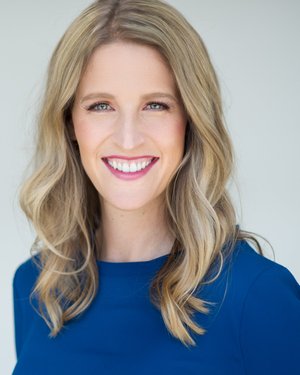
by Margie DuBois, CPC
August 5, 2026
Leadership conversations often focus on strategy, communication, or culture. Yet many of the workplace challenges teams are trying to solve stem from something much simpler: everyday leadership behaviors.
Culture is not created through mission statements or values painted on a conference room wall. It is shaped by the repeated interactions people have with their managers and colleagues.
Research consistently demonstrates that managers have an outsized influence on employee engagement, retention, and team performance, accounting for at least 70 percent of the variance in employee engagement. An employee typically costs the equivalent of six to nine months of that employee’s salary.
The strongest managers who keep their employees engaged are not defined by charisma, extroversion, or natural talent. They distinguish themselves through consistent behaviors that strengthen relationships while driving meaningful results.
Five practices, in particular, are consistently demonstrated by human-centered leaders who build healthy, high-performing teams.
1 - They lead with emotional intelligence
Human-centered leaders recognize that every workplace conversation has both practical and emotional dimensions. Rather than reacting impulsively, they pause, remain curious, and respond intentionally. They understand that self-awareness, emotional regulation, empathy, and thoughtful communication influence every interaction they have.
Research has repeatedly shown that emotional intelligence is one of the strongest predictors of leadership effectiveness because it shapes trust, collaboration, decision-making, and performance. Without it, it’s hard to build a high-performing team.
Emotional intelligence isn't optional for leaders — it's the foundation of every healthy relationship, team, and workplace. The way we understand ourselves and respond to others shapes every leadership behavior that follows.
2 - They create belonging
Belonging is often misunderstood as agreement or harmony. In reality, it is an employee’s sense that their uniqueness is accepted and appreciated by their organization and colleagues. It’s what happens when someone stops trying to fit in and edit who they are.
Managers build belonging through creating environments where people feel safe, accepted, valued, and encouraged to contribute. They invite perspectives, listen with genuine curiosity, acknowledge contributions, and create psychological safety. Employees who consistently experience belonging are more likely to innovate, collaborate, and learn from mistakes — and they drive better business outcomes.
Every person at work deserves to know they matter. Great managers create environments where people feel safe, accepted, and valued, allowing them to contribute their unique perspectives and do their best work.
3 - They coach for growth
Many managers are promoted because they excelled as individual contributors. But effective people leadership requires a different skill set.
Instead of solving every problem themselves, human-centered leaders develop the people around them. They ask thoughtful questions, encourage ownership, and help employees think critically before offering solutions.
Google's Project Oxygen identified coaching as one of the defining behaviors of high-performing managers because it develops stronger employees while creating more capable, independent teams.
Leadership is measured not only by personal performance, but by the growth it creates in others. Every person deserves a manager who develops their potential instead of simply solving their problems. Great leaders create conversations that build confidence, encourage ownership, and help people grow into what they're capable of becoming.
4 - They create accountability
Organizations and their managers often swing between two unhealthy extremes. Some prioritize accountability while overlooking the human experience. Others emphasize kindness and empathy, but avoid difficult conversations altogether. Neither approach produces high-performing teams.
Human-centered leaders practice both. They communicate clear expectations, address challenges directly, and approach difficult conversations with empathy and respect. Accountability becomes a key driver of healthy culture.
When leaders combine high psychological safety with high expectations and deliver meaningful feedback, they enter the high-performance zone and create the conditions where people and teams can do their best work.
5 - They celebrate progress
Recognition is frequently viewed as an optional leadership skill. Research suggests otherwise.
Employees who receive meaningful recognition are more engaged, more motivated, and more likely to remain with their organizations. Celebration reinforces behaviors teams want to repeat while reminding people that their work has purpose.
Human-centered leaders do not wait for major milestones to acknowledge contributions. They consistently recognize effort and meaningful progress, while making people feel appreciated.
Celebration isn't an extra – it's one of the most powerful ways leaders reinforce confidence, motivation, and a culture where people want to do their best work.
Great leadership doesn’t happen by accident
Healthy workplace cultures don't emerge because an organization introduces a new initiative or hangs a new set of values on the wall. They are built when leaders consistently practice behaviors that strengthen trust, performance, culture, and retention over time.
Developing human-centered leaders requires three things working together:
It requires personal commitment from leaders who are willing to learn, grow, and consistently practice new behaviors.
It requires organizational investment that gives managers the time, resources, and development they need to strengthen those skills.
And it requires shared accountability so those behaviors become consistent expectations rather than optional practices.
When any one of those ingredients is missing, growth becomes difficult to sustain. Managers may leave a training inspired but without the support to continue learning. Organizations may invest in leadership development without reinforcing the behaviors they hope to see. Or leaders may be given every opportunity to grow but never choose to apply what they've learned.
The healthiest organizations recognize that leadership development is a shared responsibility. Together, leaders and organizations create the conditions that transform culture and impact the bottom line.
Every manager deserves the opportunity to become a confident, emotionally intelligent leader. And every employee deserves to work for someone who helps them feel valued, supported, and able to do their best work.
Take the next step in your leadership journey by taking this free assessment or learning about training opportunities for your team.